


At a glance
- Machine specifications and operating pattern
- Existing supply and distribution records
- Racking, vehicles and access constraints
- Shutdown authorisation contact
- Equipment commissioning responsibilities
Collect equipment details before pricing
List existing machines, planned replacements, fixed appliances and any equipment moving position. Provide manufacturer information about electrical requirements and operating conditions. Explain which machines run together and which are critical to production. This gives the electrical designer a basis for assessment; it does not replace the survey or any specialist information needed from equipment suppliers.
Assess the existing supply and distribution
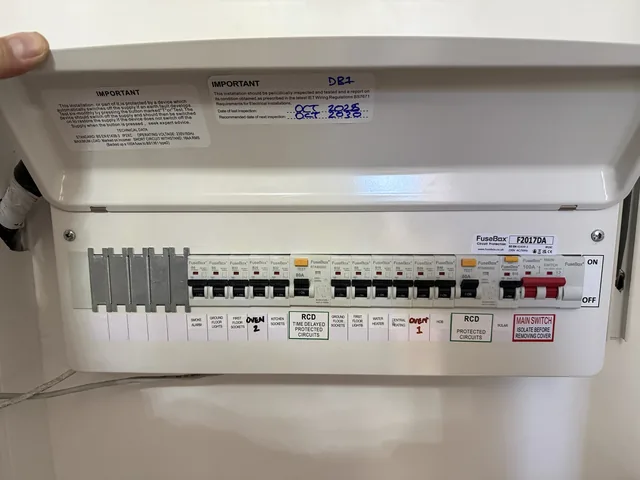
Three-phase availability, spare board spaces and an existing outlet are not enough to confirm suitability for a machine or expansion. Supply capacity, protective arrangements, distribution and routes need to be considered with the proposed load. If work by a network operator or another provider may be necessary, identify it early. Do not order equipment around an assumed supply upgrade date.
Plan routes around the working site
Provide a layout showing machinery, racking, loading areas, pedestrian routes and vehicle movements. Tell us about high-level access, restricted areas, dust, moisture or other conditions that affect equipment selection and installation. Routes should remain practical for future maintenance. Moving machinery or clearing storage may be a separate responsibility and should be agreed before booking installation dates.
Separate the fixed installation from machine commissioning
A new electrical supply and a ready-to-use machine are not necessarily the same deliverable. Establish who supplies connection information, who makes the final connection where appropriate and who carries out specialist commissioning. Keep the machinery supplier involved if settings, controls or warranty conditions require their attendance. Record these interfaces in the quotation rather than leaving them for the last day.
Create an interruption plan for production
Identify a production contact who can approve shutdowns and coordinate staff, stock and equipment. Include time for preparation and restart, not only the electrical work itself. If part of the premises stays operational, the contractor must assess safe access and separation. Backup supplies, batteries and generation must be disclosed so they can be included in the electrical planning.
Confirm documentation and future maintenance access
Ask for a clear description of the installation work, circuit identification and the relevant electrical certification with schedules. Retain equipment commissioning records separately. The business should know where the main controls are, which work remains outside the scope and whom to contact for maintenance. A handover that depends entirely on the installer remembering the job is inadequate for a working premises.
Arrange the survey across Essex
Send Essex Home Electricians the postcode, site layout, equipment schedule and latest electrical information. Explain operating hours, access restrictions and any proposed expansion. We will discuss the scope and any specialist input required before confirming a programme. Unusual or hazardous environments need appropriate specialist assessment; a standard commercial brief should not be assumed to cover them.
Does three-phase power mean new machinery can connect straight away?
No. The available supply and the machine’s requirements still need assessment, together with distribution equipment, protective arrangements and cable routes. Have suitability confirmed before arranging connection.
Useful next steps
Further reading
HSE: electrical safety questions for workplaces. IET: electrical installation certificates and report forms. These resources explain the wider safety and documentation context; the work for your premises is assessed individually.